Predictive Analytics Applications for Early Identification of Risk Patterns in Regulated Digital Wagering Environments
Written by Bianca Schwarz · Oct 13, 2026

Predictive Analytics Applications for Early Identification of Risk Patterns in Regulated Digital Wagering Environments
Regulated digital wagering platforms now rely on predictive analytics to flag risk patterns before they escalate into larger issues, and systems pull data from transaction logs, session durations, and betting frequencies to build profiles that algorithms can scan continuously. Operators integrate these tools under oversight from bodies such as the Michigan Gaming Control Board and the Australian Communications and Media Authority, where compliance rules require real-time monitoring that ties directly to license conditions.
Data Inputs That Feed Predictive Models
Platforms collect structured information from account registrations, deposit patterns, withdrawal requests, and in-game choices while unstructured signals come from device fingerprints, time-of-day activity spikes, and navigation paths across betting interfaces. Researchers at institutions like the University of Nevada, Las Vegas have documented how combining these streams allows models to calculate probability scores for potential harm indicators, and the process runs on secure servers that update every few seconds during peak hours in October 2026. Regulatory filings show that platforms operating across multiple jurisdictions must standardize data formats to satisfy audits from Canadian provincial authorities and European gaming commissions alike.
Algorithm Types Deployed in Live Environments
Supervised learning approaches train on historical datasets labeled by compliance teams, whereas unsupervised methods cluster users who share similar deviation patterns without predefined categories, and ensemble techniques blend outputs from random forests with neural networks to improve accuracy on sparse events. These models operate inside regulated environments where operators must document every parameter adjustment, and updates often occur after monthly reviews that incorporate fresh data from the preceding period. Observers note that platforms in Australia began expanding these ensembles in early 2026 to handle increased mobile traffic volumes reported by state regulators.
Early Detection Triggers and Response Protocols
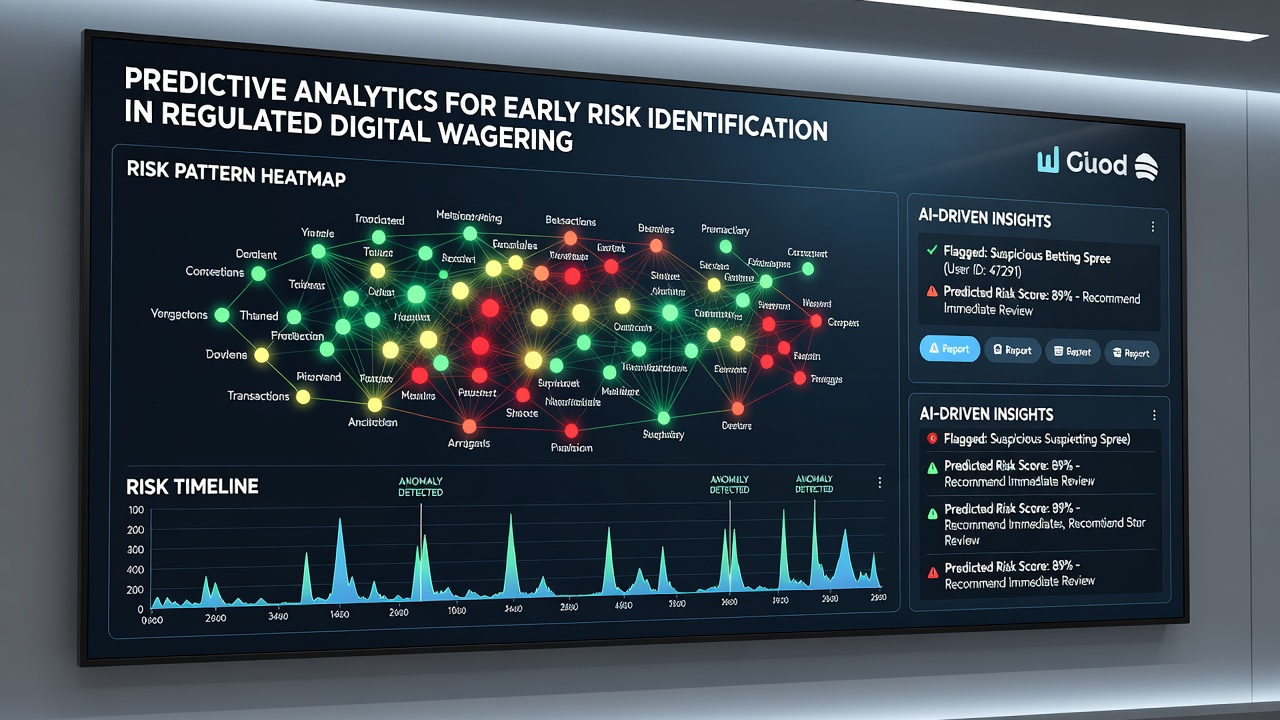
Algorithms generate alerts when user behavior crosses thresholds derived from peer-group baselines, such as sudden increases in stake sizes relative to historical norms or rapid shifts between high-volatility and low-volatility games. Staff then receive notifications through internal dashboards that display confidence intervals alongside raw metrics, enabling quick verification steps before any automated intervention activates. In one documented workflow, a Canadian operator combined predictive scores with manual review queues, resulting in earlier contact with account holders who showed clustered risk indicators across multiple sessions. Platforms must log every alert and subsequent action to demonstrate adherence during inspections scheduled by oversight agencies.
Regulatory Alignment Across Regions
Rules in Michigan require operators to submit model validation reports quarterly, while Australian frameworks emphasize transparency in how algorithms weigh variables that could affect player access decisions. Cross-border operators face additional layers because they must reconcile differing data-retention periods and consent requirements when serving users in both North American and Asia-Pacific markets. Industry reports from October 2026 indicate that several platforms adjusted their predictive thresholds after receiving updated guidance from provincial regulators in Ontario, and these changes helped maintain consistent detection rates across time zones. External audits often verify that models do not produce discriminatory outputs based on protected characteristics, and findings feed back into retraining cycles that keep systems aligned with evolving standards.
Integration Challenges and Technical Considerations
Latency becomes a concern when real-time scoring must complete within milliseconds of each bet placement, and teams address this by deploying edge computing nodes that pre-process signals before sending summaries to central servers. Data privacy rules limit which fields can travel across borders, so platforms apply tokenization and differential privacy techniques that preserve statistical utility without exposing individual records. One study published by a European research consortium highlighted how federated learning setups allow multiple operators to improve shared models without pooling raw user data, and similar pilots have appeared in North American test environments during 2026. Maintenance schedules include regular bias audits and performance drift checks that prevent gradual degradation of detection accuracy over successive quarters.
Conclusion
Predictive analytics continues to expand its footprint in regulated digital wagering as platforms refine models to catch risk patterns at earlier stages, and collaboration between operators, researchers, and oversight bodies drives incremental improvements in both detection precision and regulatory compliance. Data from multiple regions shows consistent adoption trends through October 2026, with technical and legal frameworks evolving in parallel to support responsible system deployment across borders.