How Regulatory Harmonization Shapes Automated Spending Controls in Cross-Jurisdictional Wagering Networks
Written by Noah Keller · Oct 27, 2026

How Regulatory Harmonization Shapes Automated Spending Controls in Cross-Jurisdictional Wagering Networks
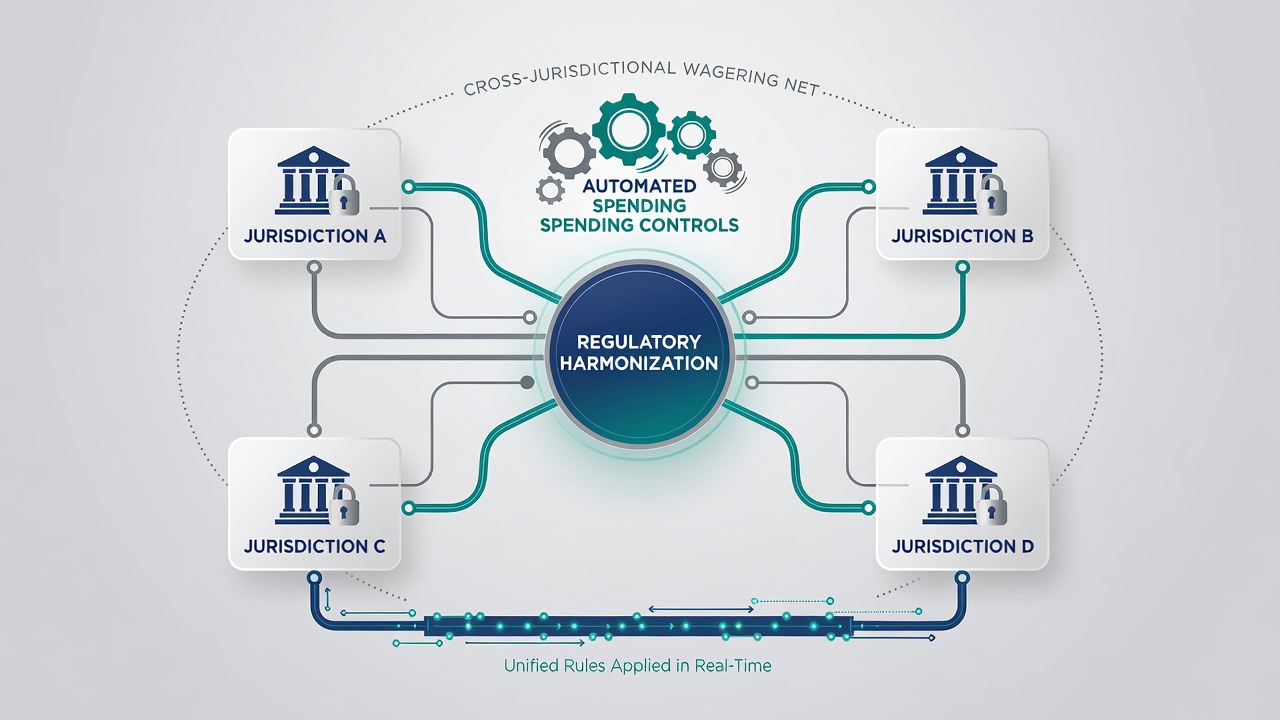
Regulatory harmonization in wagering networks requires operators to align automated spending controls with rules that span multiple jurisdictions, and this alignment creates standardized systems for deposit limits, session caps, and real-time monitoring that function consistently even when players cross borders.
Core Elements of Harmonized Regulatory Frameworks
Countries and regions coordinate through shared standards on player protection features, which means operators deploy spending controls that automatically adjust based on the strictest applicable rule set in any given jurisdiction. Data from October 2026 shows several multi-state platforms updated their backend systems to enforce uniform daily and weekly limits after agreements between North American and European regulators took effect.
Automated controls typically include progressive limit tiers, mandatory cooling-off triggers, and integration with identity verification databases, while harmonization efforts ensure these features operate without conflict when a user account spans licensed markets in different countries. Observers note that platforms must maintain a single rule engine capable of pulling jurisdiction-specific parameters on the fly, which reduces the risk of non-compliance during cross-border sessions.
Technical Implementation Across Borders
Operators build spending control modules that reference a harmonized taxonomy of risk indicators, and these modules connect to centralized ledgers that record transactions in real time across all active licenses. When regulations converge on maximum deposit thresholds or loss limits, the automated systems apply the most restrictive parameter automatically, which prevents players from circumventing controls by switching jurisdictions mid-session.
Research from the European Commission on digital market rules highlights how shared technical specifications for API endpoints allow regulators to audit spending data without requiring separate reporting streams for each territory. Platforms that adopted these specifications in 2025 reported fewer compliance incidents during the first half of 2026, particularly when handling accounts active in both EU member states and Canadian provinces.
One study from the University of Nevada Reno examined transaction logs from transnational networks and found that harmonized controls reduced instances of rapid deposit escalation by 18 percent compared with fragmented systems. The same analysis indicated that operators using unified rule sets could deploy updates to spending parameters across all markets simultaneously rather than rolling them out territory by territory.
Regional Variations and Alignment Progress
Although harmonization reduces friction, regional differences persist in how automated controls interact with local banking rules or tax reporting requirements, which forces platforms to maintain override protocols that still respect the overarching harmonized framework. Australian regulators, for instance, require additional loss-limit notifications tied to superannuation accounts, and operators incorporate these as modular extensions within the global spending engine.
Figures released by the Canadian Gaming Association in October 2026 indicate that interprovincial data-sharing agreements led to a 12 percent increase in the accuracy of automated limit enforcement across participating platforms. Those agreements allow real-time flags when a player approaches thresholds set in any province, even if the current session originates elsewhere.
Platforms also integrate machine learning models that predict spending patterns based on aggregated, anonymized data from harmonized markets, and these models trigger proactive limit adjustments before regulatory thresholds are reached. Because the underlying data standards align, the predictive outputs remain valid regardless of which jurisdiction processes the transaction.
Operational Outcomes and Compliance Metrics
Compliance teams track key performance indicators such as limit adherence rates and appeal volumes, and harmonized environments show lower appeal rates because players encounter consistent rules across networks. Operators report that centralized dashboards now display spending metrics segmented by jurisdiction yet governed by a single policy layer, which simplifies both internal audits and external regulator reviews.
Evidence from industry reports compiled by the International Association of Gaming Regulators points to faster remediation when automated controls detect anomalies, since aligned jurisdictions accept shared forensic data packages rather than demanding separate investigations. This efficiency becomes especially relevant for networks that license operations in both established European markets and emerging Asian jurisdictions where spending control standards are still converging.
Conclusion
Regulatory harmonization continues to drive the design and operation of automated spending controls by establishing common technical and policy baselines that function across borders. Platforms respond by building flexible yet unified systems that apply the appropriate limits in real time, and data from October 2026 demonstrates measurable improvements in compliance consistency and operational efficiency. As more jurisdictions adopt aligned standards, the architecture of these controls will likely expand to accommodate additional markets without requiring fundamental redesigns.