How Behavioral Analytics Track Shifts in Session Patterns Among Cross-Border Bettors
Written by Willa Franke · Sep 15, 2026
How Behavioral Analytics Track Shifts in Session Patterns Among Cross-Border Bettors
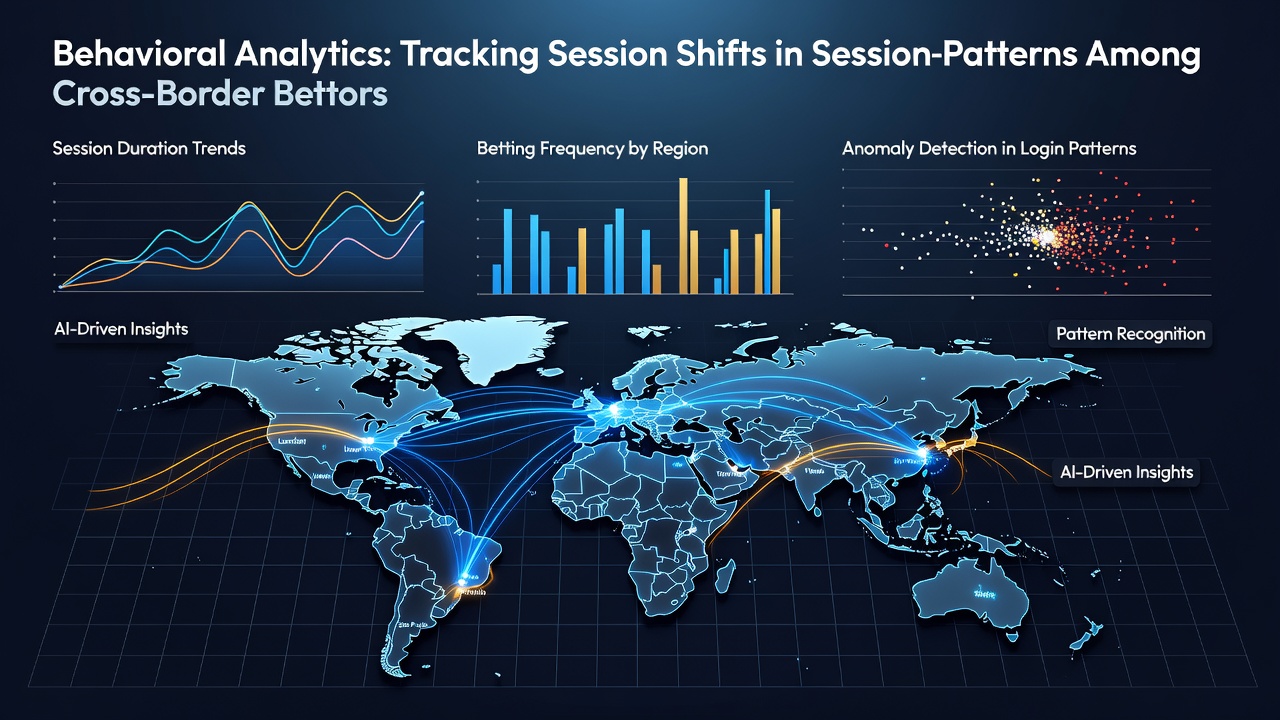
Behavioral analytics platforms monitor how cross-border bettors adjust their session lengths, bet frequencies, and activity timing across different jurisdictions, and these systems aggregate data from multiple sources to identify deviations from established norms.
Operators collect timestamps, device identifiers, and location signals while bettors move between regulatory environments, which allows the software to map out baseline patterns for each user cohort and flag when those patterns begin to drift.
Core Metrics That Define Session Patterns
Session duration, average stake per round, and the interval between consecutive bets form the primary variables that analytics engines track in real time, and these three elements combine to create a composite profile that updates continuously as new activity arrives.
Cross-border bettors often exhibit different rhythms depending on the time zone of the platform they access, so systems normalize timestamps against the user's registered region before comparing current behavior against historical data.
Research indicates that a sudden compression of session length paired wth an increase in stake size frequently appears in datasets from operators serving multiple continents, and similar shifts have been documented in reports covering activity through September 2026.
Data Integration Across Jurisdictions
Platforms pull information from regulatory feeds in the United States, Canada, and Australia to build a unified view of each bettor's activity, and this integration requires mapping local compliance rules onto a single data schema so that analysts can compare like-for-like metrics.
One study released by the National Council on Problem Gambling examined how bettors in overlapping time zones altered their play windows after regulatory changes took effect, and the findings showed measurable compression in average session length within 48 hours of the policy update.
Pattern Shift Detection Algorithms
Machine learning models trained on longitudinal datasets identify outliers by calculating z-scores for each metric relative to the user's rolling 30-day baseline, and these models adjust thresholds dynamically when bettors cross into new regulatory zones.
Algorithms also incorporate external signals such as currency fluctuation data and public holiday calendars, which helps distinguish genuine behavioral changes from expected seasonal variations that occur around major sporting events.
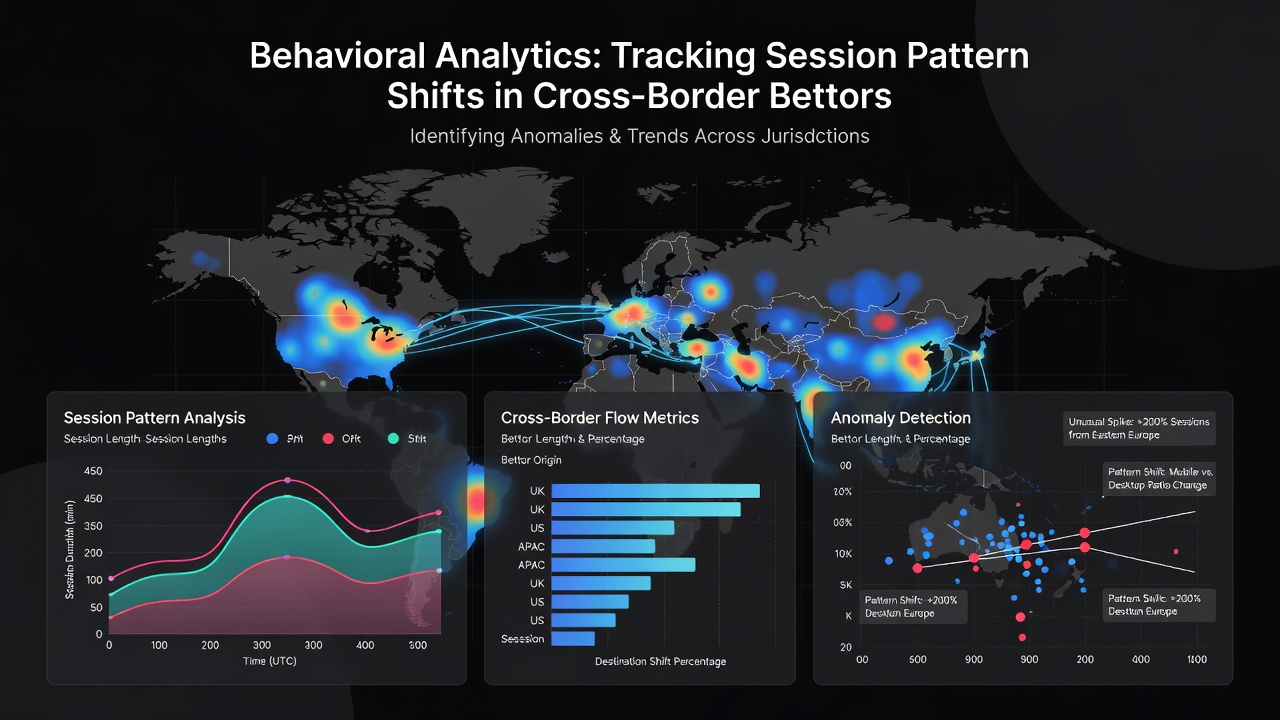
Observers note that systems deployed by large operators began incorporating these external variables more systematically after mid-2025, and the added context improved detection accuracy for pattern shifts that span multiple jurisdictions.
Regulatory Reporting Requirements
Authorities in several regions now require operators to submit aggregated session-pattern summaries on a quarterly basis, and the reports must separate domestic from cross-border cohorts to allow regulators to assess whether policy interventions produce measurable effects.
Figures released in September 2026 by the Michigan Gaming Control Board included breakdowns of session duration changes among users accessing platforms from outside the state, and those numbers aligned closely with trends reported by Canadian provincial regulators during the same period.
What's interesting is how the data flows between these agencies have tightened over the past year, enabling faster identification of coordinated pattern shifts that appear across borders.
Technical Infrastructure Supporting Real-Time Tracking
Cloud-based data lakes store raw event streams while edge computing nodes perform initial filtering to reduce latency for cross-border users, and this architecture supports sub-second updates to individual risk profiles without overloading central servers.
Encryption standards ensure that personally identifiable information remains protected during transfer between jurisdictions, and anonymized tokens replace direct identifiers before the analytics layer processes the records.
Conclusion
Behavioral analytics continue to evolve as cross-border betting volumes grow and regulatory landscapes shift, and the ability to detect session pattern changes in near real time now depends on seamless data integration across multiple regions. Operators that maintain robust pipelines and adaptive models position themselves to respond promptly when bettor behavior deviates from established baselines, while regulators gain clearer visibility into transnational activity through standardized reporting. The combination of refined algorithms, external context signals, and inter-agency data sharing has produced measurable improvements in tracking accuracy through September 2026, setting the stage for further refinement in the months ahead.